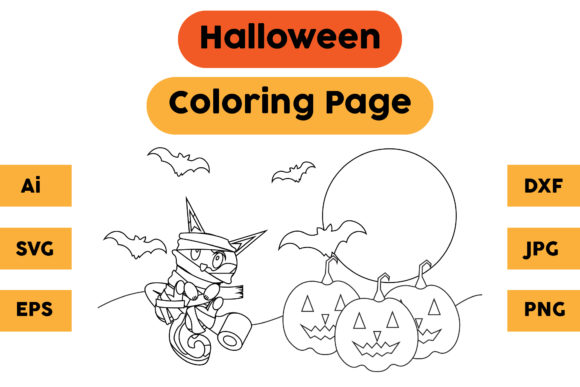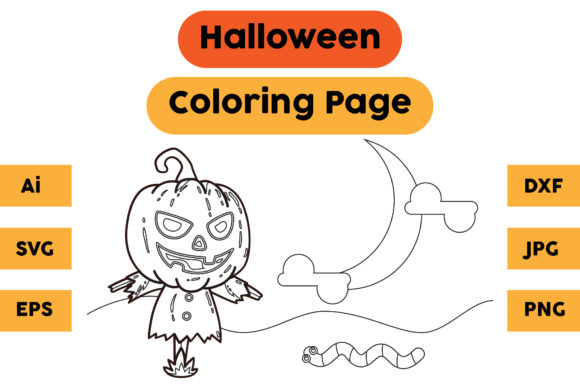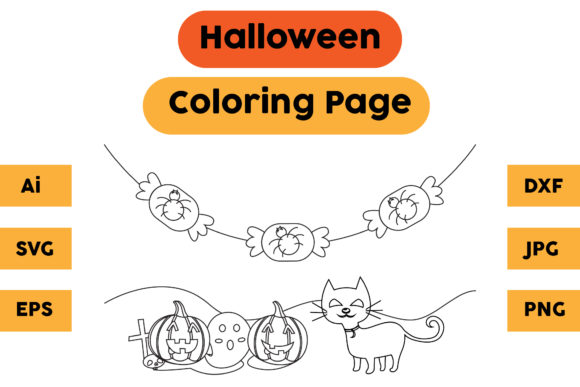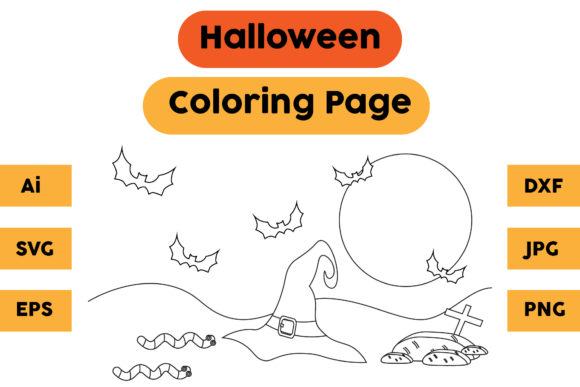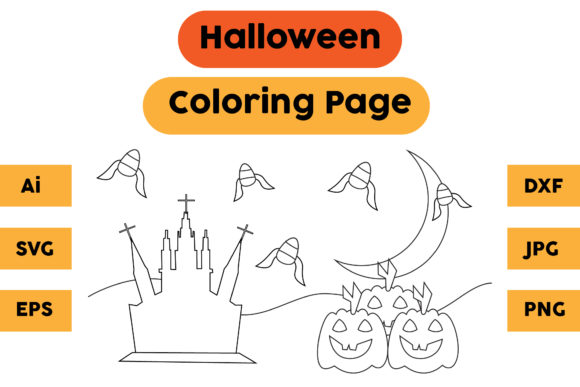
Halloween Coloring Page 68: A Versatile Graphics Asset
First Impressions in a Publisher’s Hands
When a graphic design asset like Halloween Coloring Page 68 lands on my desk, my first reaction is editorial. I look for the mood it creates. This asset immediately feels seasonal, playful, and artistic. The canvas size of 1920 by 1280 pixels provides a solid, modern foundation. For a blogger in the lifestyle, family, craft, or educational niches, this is a promising starting point. It doesn’t scream corporate; it invites creativity. That’s crucial for content that needs to look polished yet approachable.
The Editorial Mood and Reader Perception
The style of Halloween Coloring Page 68 supports content that is decorative and engaging. When readers land on a blog or a Pinterest board, these visuals signal a hands-on, interactive experience. This isn’t just a stock photo; it’s a template for participation. It builds reader trust by offering utility—a coloring page is a direct value. For affiliate marketers promoting craft supplies or educational resources, or for online educators creating Halloween-themed units, this asset aligns perfectly with content that promises a download or an activity.
A Real Publishing Workflow: From Download to Deployment
Imagine you’re preparing a October content calendar. Halloween Coloring Page 68 arrives as a digital download package, available in six practical file types: AI, EPS, SVG, DXF, JPG, and PNG. This versatility is a publisher’s dream. The vector files (AI, EPS, SVG) mean I can resize, recolor, and adapt this design asset without quality loss for branded materials. The JPG and PNG are ready for immediate web use.
Concrete Uses in Blog and Content Design
Let’s map this to real publishing situations. Your blog post on “Halloween Activities for Kids” needs a featured image. Halloween Coloring Page 68 can be the background for your headline, creating a strong visual hierarchy and a clearer click-through potential. For Pinterest graphics, this design is ideal—the 1280px height is perfect for tall pins. Cropped sections can become article headers or accents within a digital guide.
- Website & Newsletter Graphics: Use it as a banner for a Halloween category page or a newsletter announcing your printable library.
- Downloadable Resources & Lead Magnets: The core asset is a coloring page, making it a natural content upgrade or lead magnet. Embed it in a blog post or offer it in exchange for email sign-ups.
- Social Media & Digital Ads: Sections can become Instagram story templates, Facebook post visuals, or ads for an affiliate craft product.
- Branding Extensions: Import the SVG into Canva to create consistent templates for your entire Halloween content series.
Supporting Content Performance and Professional Polish
Why does this matter for performance? A stronger first impression reduces bounce rates. A clearer visual hierarchy guides the reader. For affiliate content visuals, a professional-looking graphic increases the perceived value of the recommended product. Consistent use across blog graphics, Pinterest pins, and newsletter headers builds a stronger visual identity for your niche. Halloween Coloring Page 68, when adapted with your brand colors or fonts, can directly improve category recognition—readers instantly know this is your “Halloween crafts” content.
Optimal Placement for Maximum Impact
This graphic design asset works best in visually prominent roles.
- Hero Images & Article Thumbnails: Its clean canvas is perfect for overlaying text.
- Pinterest Pins & Blog Graphics: The detail and theme are inherently clickable.
- Content Upgrades & Downloadable Resources: It’s the product itself, building trust.
- Category Visuals & Newsletter Headers: Creates a festive, dedicated section feel.
- Social Media Previews: Makes your post stand out in a busy feed.
Publisher Notes: Practical Testing and Application
Before you publish, treat this like any commercial design asset. Always confirm the commercial license is suitable for your monetized website, affiliate pages, or paid digital products like eBooks. Then, integrate it into your workflow with these checks.
- Test on Screens: View it on desktop and mobile. How does it look as a small thumbnail?
- Preview in Layout: Drop it into your actual blog template. Does it compete with or complement your sidebar?
- Test with Text: Overlay your headline. Try it with a serif font for a classic blog, a sans-serif for modern, or a playful script. Check contrast and readability.
- Check Flexibility: Try a black-and-white version for a different editorial mood. Review file size; compress JPG/PNG versions for web performance without losing clarity.
- Consider Branding: Does altering elements of Halloween Coloring Page 68 help it align with your small business branding? Vector files allow this.
Where to Use with Care
While versatile, Halloween Coloring Page 68 should be used carefully in certain contexts. In very small mobile thumbnails, fine details may become lost. Avoid placing it as a background for text-heavy blog images where the design might busy the layout. For serious professional niches or corporate content marketing that requires a minimal visual system, this playful, decorative asset may not align. It’s also less suitable for low-contrast backgrounds where text legibility could suffer.
The Final Verdict for Content Creators
From the point of view of blog design and digital publishing, Halloween Coloring Page 68 is a substantial asset. Its multi-format delivery solves technical hurdles. Its artistic, seasonal style solves creative ones. It supports visual communication goals across editorial content, downloadable resources, and social media presentation. By leveraging this graphic within your publishing workflow—for featured images, Pinterest graphics, and lead magnets—you elevate the perceived quality of your entire content library. That polish translates directly into better reader engagement, stronger brand identity, and ultimately, more effective content marketing and affiliate marketing. It’s a single design asset that can echo across your entire Halloween content strategy.