A Halloween Coloring Page Designs Looks Like an Embroidery Designer
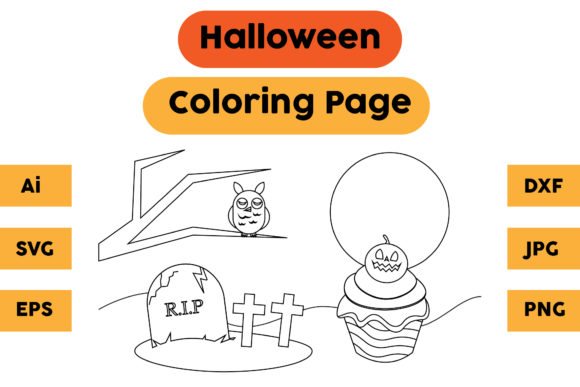
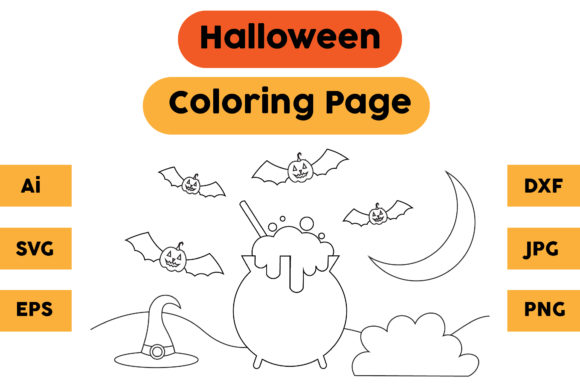
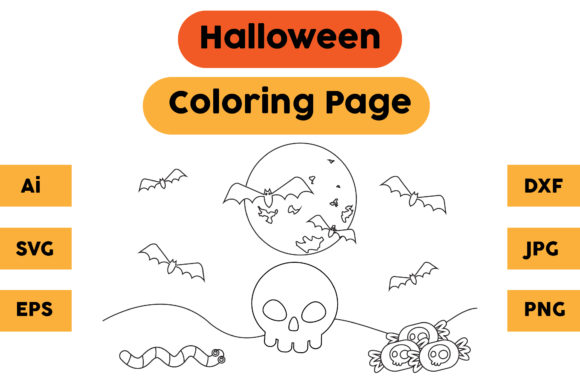
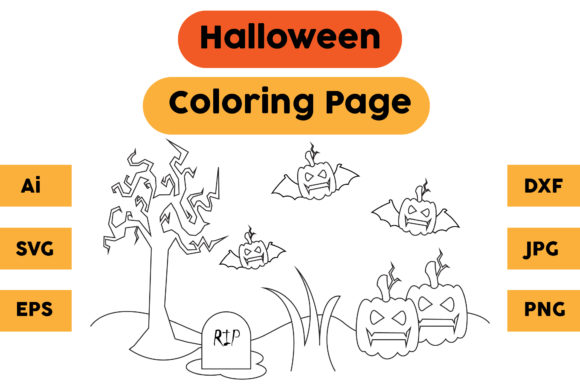
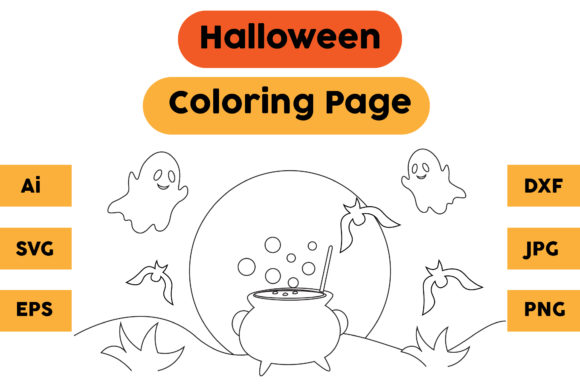
When you open Halloween Coloring Page 18, the first thing you notice is a crisp, illustrative quality that feels immediately ready for stitching. This isn't a hyper-detailed, overwhelming graphic; it's a friendly, approachable Halloween theme with shapes that translate cleanly into needlework. The mood is playful and slightly whimsical, perfect for projects aimed at families, kids, or anyone who enjoys the lighter side of the season. As a designer, I see a layout that prioritizes clear outlines and distinct areas, which is a huge plus when planning stitch types and thread colors. The personality is more spooky-fun than truly frightening, which opens up a lot of product possibilities.
Where This Design Finds Its Home in Embroidery Projects
Imagine you’re preparing a custom embroidered tote bag for a fall craft fair. You want something recognizably Halloween but not garish. Halloween Coloring Page 18 has that balance. Its composition lends itself beautifully to a centered placement on a bag or apron, creating a focal point without chaotic detail. I’ve found designs like this perform exceptionally well on sweatshirts, pillow covers, and kitchen towels—items where a clear, charming graphic adds value without overpowering the fabric.
For small business merchandise, such as items for an Etsy shop or boutique, this design is a strong candidate. It could become a seasonal bestseller as an embroidered patch, applied to caps or jackets. Its illustrative nature also makes it a wonderful choice for personalized gifts, like a child’s name stitched above the graphic on a baby blanket or nursery decor pillow. The canvas size provided—1920px by 1280px—suggests a good resolution for scaling to various hoop sizes, from smaller patches to larger centerpieces on tea towels or blankets.
When Stitching This Design Requires a Practical Eye
In real-life embroidery situations, clarity is king. The open, coloring-page style of Halloween Coloring Page 18 means that areas intended for fill stitches will be well-defined, which helps manage stitch density. However, this is where your experience as an embroidery designer comes into play. On textured fabrics like some sweaters or on stretchy fabric for t-shirts, the simpler shapes will hold up better than a design with tiny, intricate lines.
You should be careful, though, with very small hoop sizes. If you miniaturize this design for a tiny cap logo or a small accent on baby clothes, some of the broader details might lose their definition. Always test on scrap fabric first. Similarly, on dark fabric backgrounds, your thread color contrast becomes critical. The design’s effectiveness depends on a smart color palette choice to ensure the Halloween theme pops against darker materials like black sweatshirts.
For products that need frequent washing, such as aprons or kitchen linens, the design’s lack of overly dense, concentrated stitching is an advantage. It reduces puckering and helps the embroidery withstand wear. On curved surfaces like caps, the layout should be assessed in a mockup; the potential for distortion on the crown is always a consideration with any graphic.
How This Design Shapes Customer Perception and Value
From a commercial and creative entrepreneur standpoint, using Halloween Coloring Page 18 affects more than just the stitch. It impacts visual appeal and customer trust. A clean, well-executed embroidery of this design on a handmade product speaks to professionalism. It looks intentional and crafted, not haphazard. That builds brand consistency for a small shop, especially if you develop a line of seasonal items using similar illustrative styles.
The giftability is high. A pillow cover or tote bag embroidered with this feels like a thoughtful, festive present. It’s recognizable enough to be immediately appreciated as a Halloween item, yet not so niche that it would only appeal to a hardcore enthusiast. For digital product sellers, the available file formats—AI, EPS, SVG, DXF, JPG, PNG—mean this can be a versatile asset for printable mockups, digital embroidery file previews, or even as part of a broader design bundle for other crafters.
Essential Designer Notes Before You Hoop the Fabric
Before you commit this to a client project or your next batch of craft fair products, run through a practical checklist. First, absolutely test the embroidery file on a scrap of your intended fabric. Check thread color contrast by reviewing the design in both black and white mockups to understand its form without color. This helps plan for light and dark fabric backgrounds.
Review the stitch density in your machine software—the coloring page style often implies larger fill areas, so adjust accordingly to prevent overly thick, stiff patches on lightweight fabrics. Confirm your hoop size can accommodate the design at the scale you want, and inspect any small details or corners in the graphic to ensure they’ll stitch out cleanly.
Use proper stabilizer for the fabric type; this is non-negotiable for a crisp finish. Crucially, check the provided information and any licensing terms before selling finished items or commercial embroidery projects. The product category is listed as Coloring Pages Amp and Graphics, so ensure your usage aligns with the permissions granted. Does it work for both personal and commercial projects? That detail is essential for your business.
Ultimately, Halloween Coloring Page 18 presents a solid, adaptable foundation for a wide range of embroidery projects. Its strength lies in its illustrative clarity and friendly theme, making it a reliable choice for embroidered apparel, personalized gifts, and small shop merchandise. Approach it with a designer’s practical eye—test, adjust, and consider the final product context—and it can become a valuable asset in your seasonal crafting or business toolkit.