A Designer's Review: Halloween Graphics for Local Brand Identity
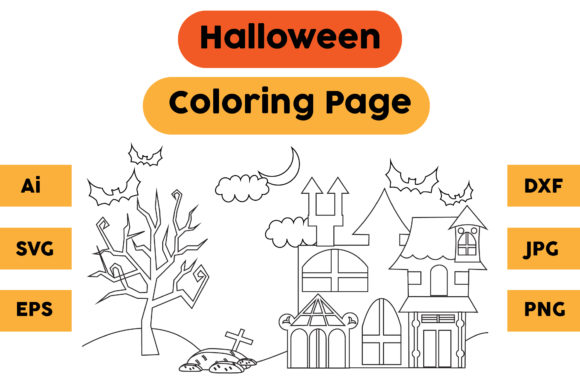
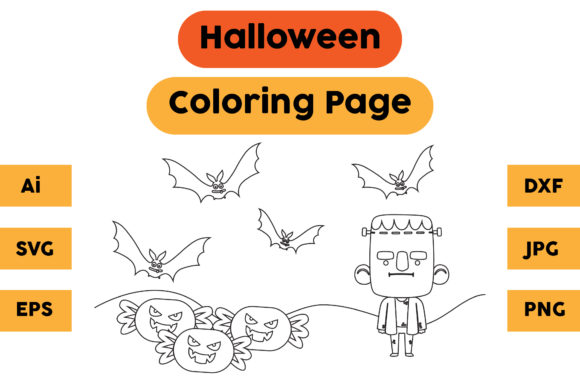
As a brand designer working with small, local businesses, my first task with any graphic asset is to assess its potential beyond the screen. Halloween Coloring Page 75 presents itself not just as a seasonal clipart, but as a versatile design element that can, with careful application, elevate a brand's visual story during the festive autumn period.
The First Impression: Assessing Mood and Brand Fit
Opening Halloween Coloring Page 75, I immediately gauge its character. The style—whether it leans playful, rustic, elegant, or spooky—directly informs which business personality it can amplify. For a local handmade candle brand, a softer, decorative illustration suggests a friendly, artisan vibe. For a boutique coffee shop, a more modern graphic could signal a premium, curated seasonal experience. This asset isn't a logo; it's a supporting actor that must harmonize with the brand's lead voice.
The canvas size of 1920px by 1280px is a practical starting point, offering enough resolution for most print and digital applications a small business might need. The availability in multiple file types, particularly the vector formats like AI and SVG, is crucial. It means I can adapt the scale without quality loss for a large festival poster or shrink it meticulously for a product tag without losing detail.
Practical Applications in Local Business Design
Imagine I'm rebranding a neighborhood bakery's Halloween line. Here's where Halloween Coloring Page 75 transitions from a digital product to a commercial design tool.
Building a Cohesive Seasonal Identity
The graphic becomes a foundational element. I might extract a key motif to create a secondary logo mark for the seasonal campaign. Its lines can inspire patterns for packaging paper, creating a consistent look across cookie boxes, cake sleeves, and window displays. Used as a hero graphic on social media, it establishes immediate visual recognition for the bakery's Halloween specials.
Enhancing Product Presentation and Trust
On product labels and packaging, this asset functions as decoration with purpose. A well-placed illustration on a jam jar or a batch of homemade caramel packaging improves shelf appeal and communicates a festive, crafted quality. It supports a stronger first impression. When used on thank-you cards or printable inserts included with orders, it extends the branded experience, building a stronger emotional connection with the local customer.
For a florist, elements from the coloring page could become decorative borders on price lists or menu graphics for Halloween bouquet workshops. For a children's product brand, it could be the central visual on a flyer or promotional poster, instantly signaling the product's festive purpose.
Strategic Use: Where This Asset Works Best
In my projects, I find such graphics excel in specific, high-impact roles.
- Product Labels & Packaging Accents: As a background texture or a focal point on a tag, it adds decorative value without overwhelming product information.
- Promotional Banners & Social Media Graphics: Its size makes it suitable for web design elements, Canva templates for posts, or website banners announcing seasonal sales.
- Printable Marketing Collateral: Flyers, posters, and business cards for a seasonal event gain a professional, designed look.
- Branded Stationery & Touchpoints: Think stickers on packaging, graphics on seasonal menus, or motifs on boutique shopping bags.
Designer Notes: Critical Considerations for Professional Use
Before applying Halloween Coloring Page 75 to a client's brand identity or physical product sales, I conduct several practical checks.
- Mockup Testing: I place the graphic on real packaging mockups. How does it look beside the brand's typography? I test it with serif, sans serif, and script fonts to ensure visual harmony.
- Scale and Contrast: Previewing it on a small label is essential. Fine details might vanish. I also check its effectiveness on low-contrast backgrounds and in black-and-white scenarios for potential printing limitations.
- Editability and Integration: The SVG or AI file allows me to edit colors. I test integrating it with the brand's color palette to ensure it feels custom, not generic.
- Competitive Context: I compare the asset's application on my client's packaging against competitors. Does it help their product stand out with a more polished look?
- Licensing Verification: Confirming the commercial license is paramount. Can this graphic be used for the bakery's product labels that will be sold? Can the florist use it on their paid workshop materials? This due diligence protects the business.
Where to Exercise Caution
This type of asset should be used carefully in certain contexts. It may not suit a luxury minimalist brand seeking a sleek aesthetic. On ingredient-heavy layouts or areas containing legal information, the decoration should not compete with critical text. It might be too detailed for very small labels where clarity is paramount. The goal is enhancement, not obstruction.
Final Assessment: A Tool for Authentic Brand Stories
Halloween Coloring Page 75, when viewed through the lens of a brand designer, is more than a coloring page. It's a graphic design asset that can help a local business—the bakery, the candle maker, the boutique—tell a more visually consistent and engaging seasonal story. Its value lies in its adaptability: from vector edits for a custom label to a high-resolution PNG for a social media campaign.
The ultimate aim is to use such resources to build better product recognition, a more professional packaging presence, and ultimately, stronger customer trust through cohesive and thoughtful design. For the creative entrepreneur or small business owner, it represents a starting point for crafting a branded experience that feels intentional, festive, and authentically local.